There’s a reason you find winter coats in stores in the sweltering heat of August.
Retail buyers use the same fashion calendar as runway shows to plan seasonal deliveries. Cruise/Resort, Spring/Summer, Pre-Fall, and Fall/Winter.
Four seasons. Each season planned a year in advance.
Keeping It Real
We can’t change the runway calendar. But we can stop planning as if customers are buying coats in August.
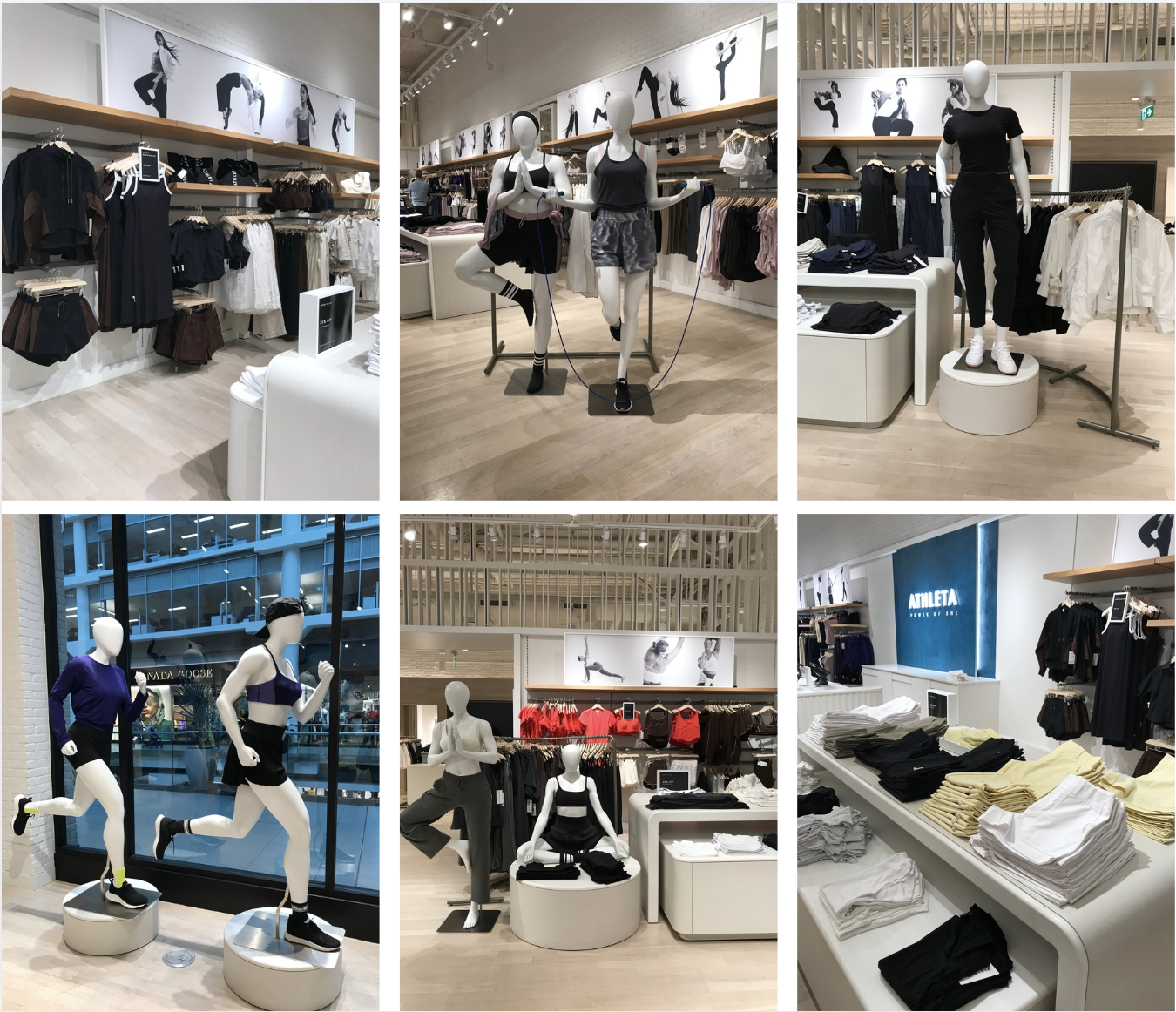
Take Athleta. Walk into their stores, and they feel crowded with product and have no clear POV. Revenues have been tanking for years.
But look closely at the product, and it’s actually good – elevated fabrics, wearable silhouettes, strong outfit choices.
The product is not the problem. The planning model is.
Athleta appears to be using a 4-season assortment plan. The risk: more than one season could live on the shop floor at the same time.
It looks messy, over-SKU’d, and missing a common thread connecting each delivery. Planning this way also commits the entire OTB up-front, leaving nothing to chase bestsellers or react to trends in season.
Product planned this way will end up on the markdown rack, no matter how great it is.
Merchant-To-Market Assortment Plan (M2MAP)
So I propose a radical idea.
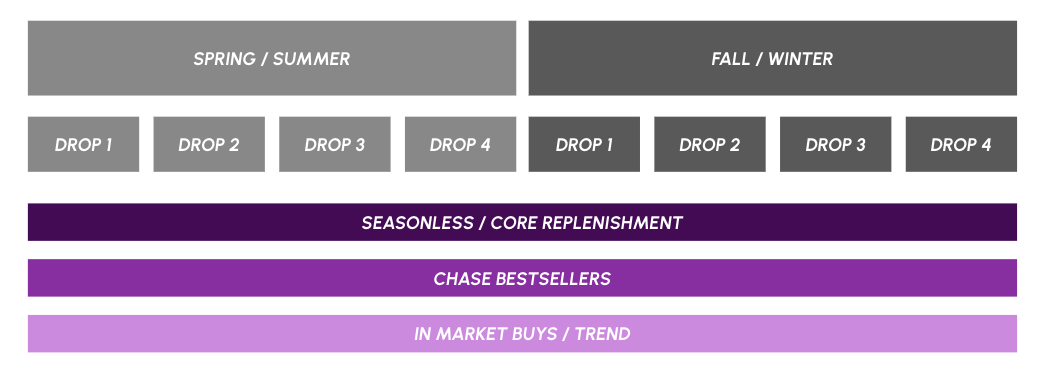
Instead of planning 4-season assortments, plan only 2. I call it the Merchant-To-Market Assortment Plan, or M2MAP.
Two seasons with four capsule drops per season. Add flexible tracks that give you room to react, replenish, and chase what is actually selling.
The benefits are straightforward:
- Fewer markdowns. Less inventory on the floor means less to clear at the end of the season.
- More full-price selling. Frequent drops of newness give customers a reason to come back to buy now, wear now.
- More flexibility. Multi-track lanes allow you to keep OTB in reserve for bestseller chase and in-season trends.
If you want to sell more products at full-price, stop pre-planning your entire buy 52 weeks in advance.
Building your M2MAP
Two Seasons. Spring/Summer and Fall/Winter. Each season shares a common thread across every drop so the floor makes sense when all deliveries land.
Four Drops: Each drop includes test-and-learn styles, fashion, and seasonless product. Keep your quantities tight so you can buy more of what actually sells.
Multi-Track Lanes: Reserve a portion of your OTB for replenishment, chasing bestsellers, or trends. This only works with supply flexibility – postponement, line buying, or trusted vendor partner development that accelerates your time to market.
The M2MAP is not complicated. It is a return to merchant thinking. It puts the customer at the center of your buys, instead of a fashion runway timeline that doesn’t make sense on the shop floor.
It’s time the assortment planning calendar got a taste of reality.
It’s time to stop assorting coats in August.